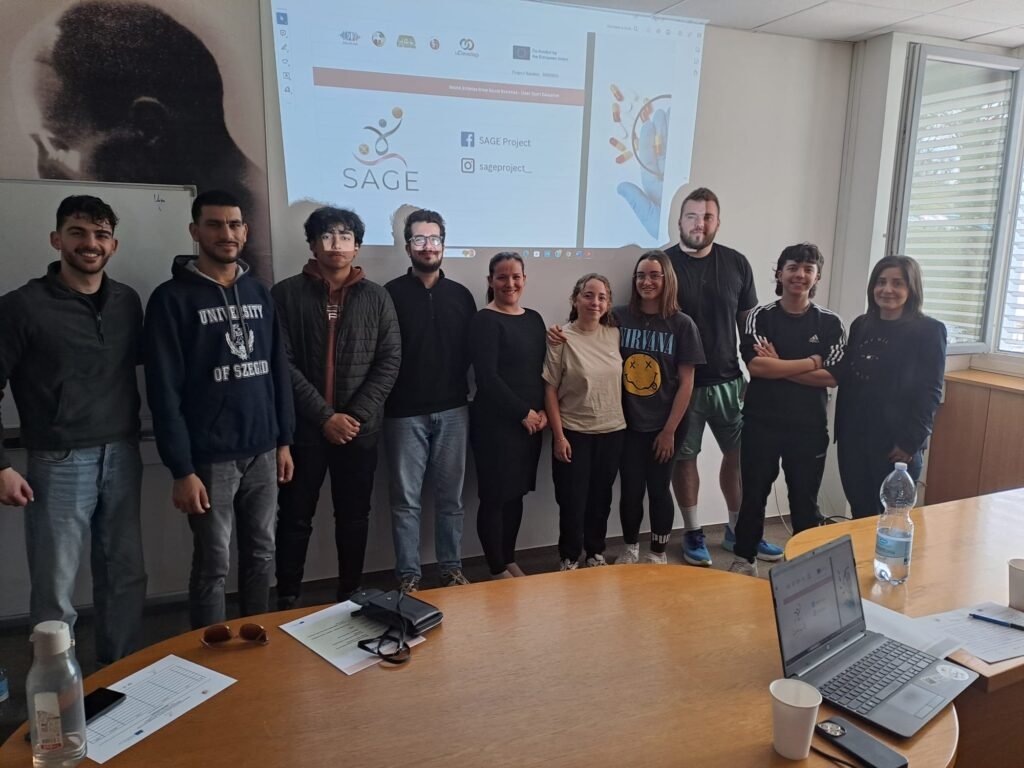
From 21 to 23 March, youngsters from the partner countries of Slovenia, Spain, Portugal, Germany, and Greece gathered in Novo Mesto for a study visit, hosted by the sports club – ODBOJKARSKI KLUB TPV VOLLEY NOVOMESTO.
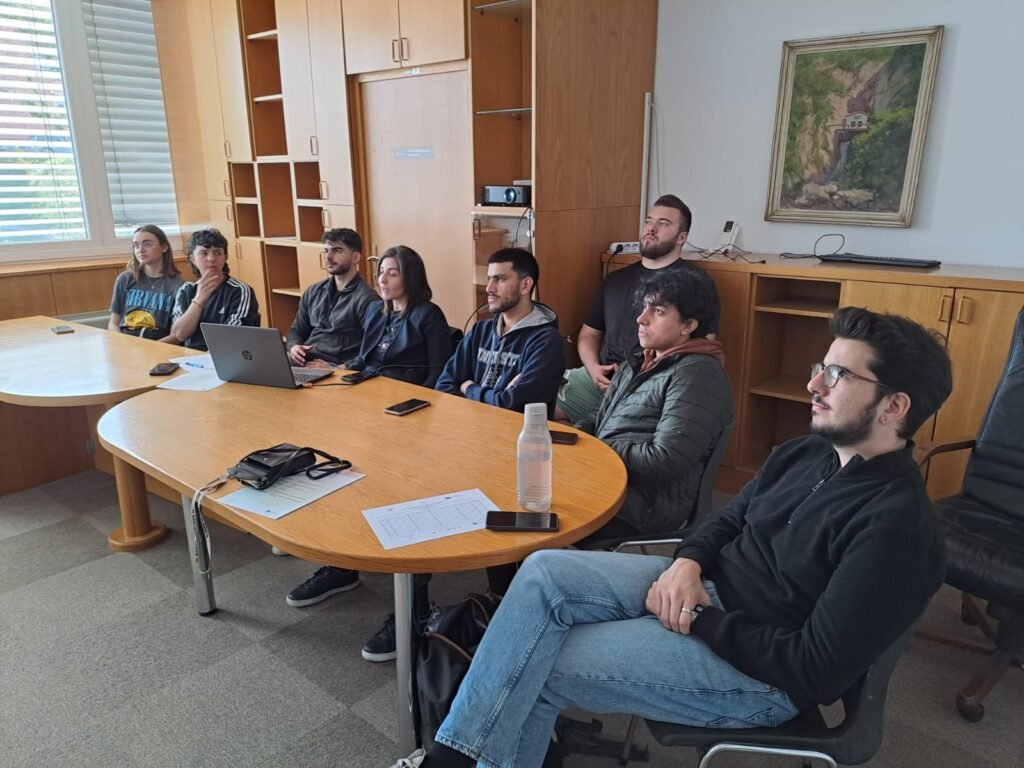
In the past months, in cooperation with partners from different countries, we worked intensively in the field of studying doping policies in partner countries, the problem on the one hand and good practices on the other, the way to raise awareness among young people and prevent doping in sports. Our goal was to understand how different systems work in different countries, identify their strengths and weaknesses, and come up with effective strategies to raise awareness and educate young athletes about the dangers of doping. During the visit, we established guidelines for future activities and participated in various local engagements.
ACTIVITIES
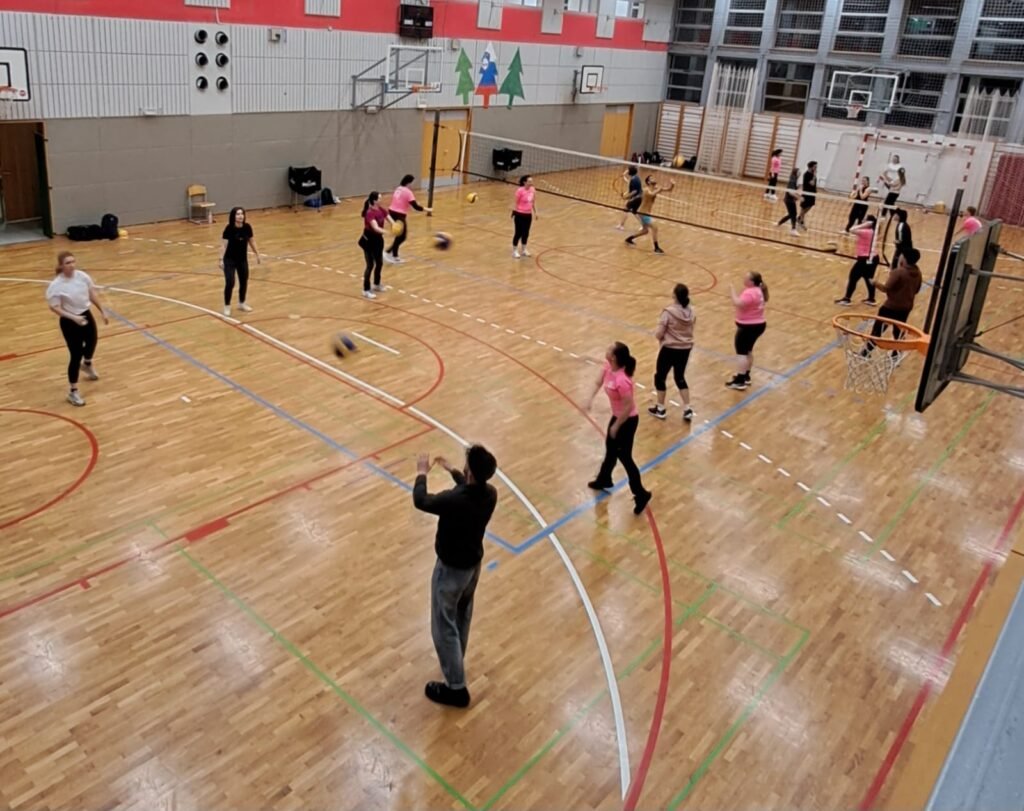
These included presentations on the sports infrastructure, an introduction to the TPV Volley Novo Mesto educational workshops for young athletes, and discussions on methodologies for working with young people in sports. We emphasized the importance of educating youth through sports, and concluded the visit with a multi-generational volleyball match.
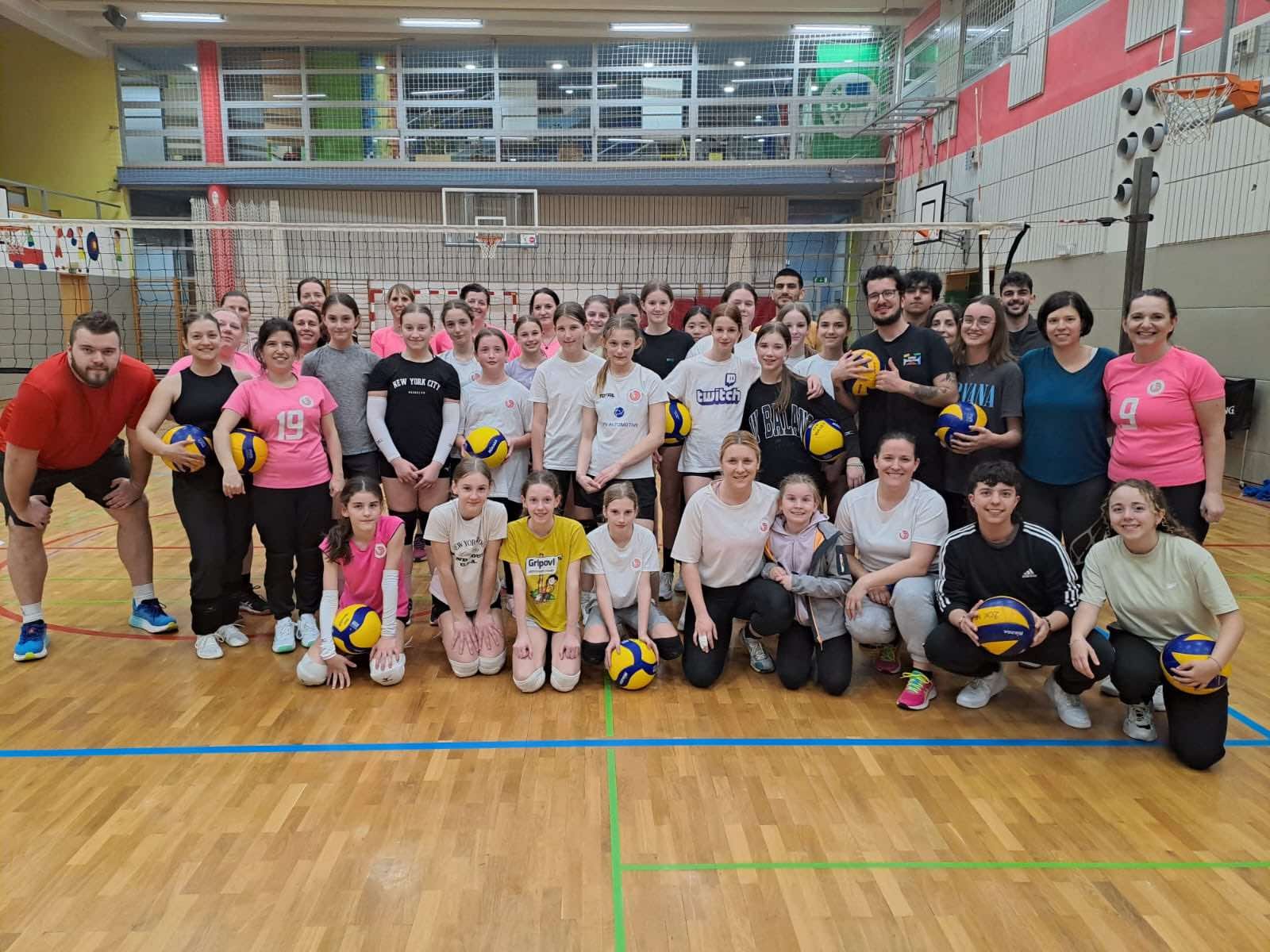
One of the key components of our project involved conducting extensive surveys among young sportsmen and women, as well as experienced coaches. This effort formed the basis for the development of the tools we prepared during our meeting in Novo Mesto. By carrying out these surveys across various countries, we aimed to gather a broad spectrum of data and gain insight into the diverse approaches to the issue of doping. The feedback from these surveys was instrumental in shaping our project’s direction and ensuring that our guidelines and activities are well-informed and effective.
Experiential Learning in Action: Our Cooking Workshop in Novo Mesto
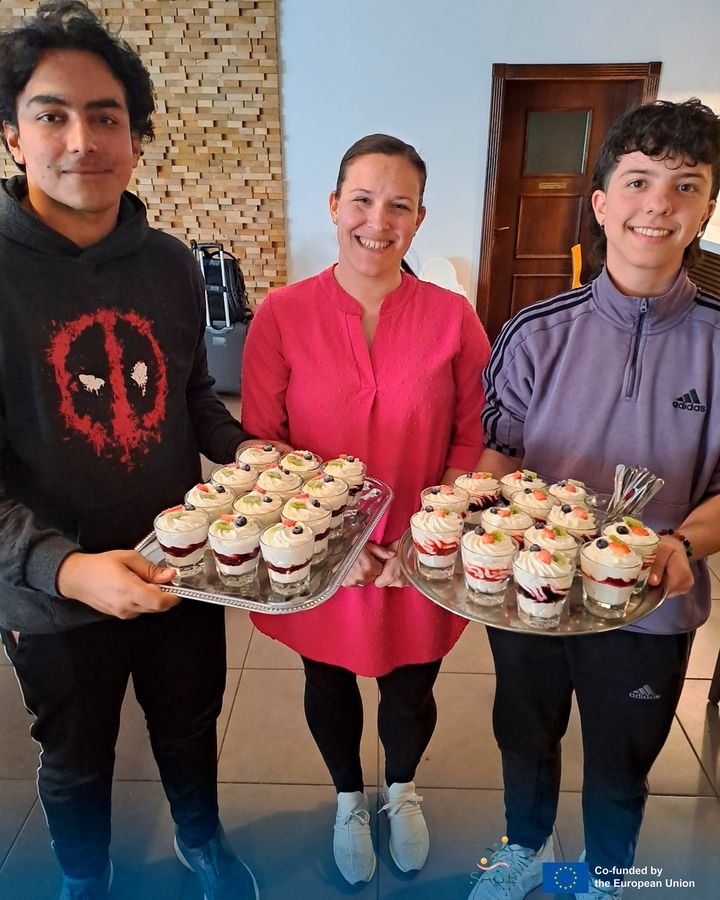
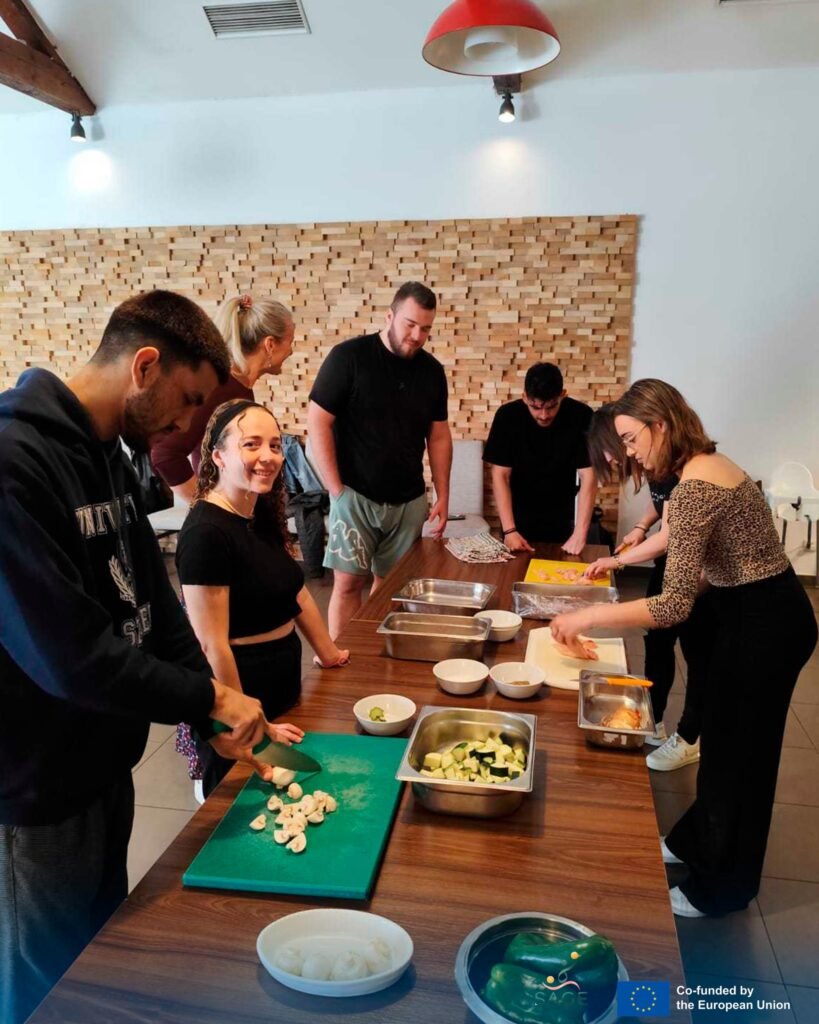
Transforming Theory into Practice
The cooking workshop aimed to put into practice the theoretical knowledge we had acquired about athlete nutrition, the dangers of doping, and the alternatives to doping through a proper and balanced diet. Participants actively engaged in cooking dishes essential for young athletes, bringing the lessons to life. The workshop was grounded in our understanding of the importance of healthy nutrition for athletes.
Key Learnings
Participants discovered that a healthy diet is balanced and varied, consisting of various types of foods that provide all the necessary nutrients for optimal body function. The essential components of a healthy diet include:
- Fiber-rich whole grains
- Healthy fats
- Protein
- Dairy products
- Fruits and vegetables
Emphasizing Seasonal and Local Ingredients
The workshop placed a strong emphasis on using seasonal and local ingredients, which offer numerous benefits for both individuals and the environment. Fresh ingredients contribute to better nutritional value and taste, while local sourcing supports the local economy and sustainable agriculture. Together, these practices promote a more balanced, sustainable, and responsible way of eating that benefits both the individual and the broader community.
Hands-On Cooking Experience
Guided by an experienced chef who curated a menu of six dishes, participants prepared wholesome meals themselves. The workshop was designed to ensure active participation in each step, including:
- Selection of Ingredients: Identifying and selecting high-quality, nutrient-rich ingredients.
- Food Preparation: Applying practical cooking techniques that preserve the nutritional value of food.
- Creating Balanced Meals: Composing menus that include all the necessary nutrients for optimal body function.
Achieving Our Goals
Through active participation, we aimed to achieve several objectives:
- Better Memorization of Information: Participants understood and remembered the key concepts of healthy nutrition more easily through practical experience.
- Encouraging Cooperation: The workshop fostered mutual cooperation and teamwork among the participants.
- Practical Skills: Participants acquired concrete cooking skills that they can apply in their everyday lives.